The Complete Guide to Business Telephone Systems for Los Angeles Businesses
Running a business in Los Angeles is equal parts opportunity and challenge. From traffic‑clogged commutes that keep staff mobile to competition that never sleeps, your customers expect you to answer every call, text, and video meeting without fail.
If your current business phone system still relies on copper wiring or a temperamental on‑site PBX, you already know how hard it is to keep up. This complete guide to business telephone systems pulls back the curtain on all of today’s options: onsite PBX with traditional lines, Voice over IP (VoIP), Unified Communications as a Service (UCaaS), and fully managed telecom services. Beyond pointing out the differences, this guide will also show how each one fits the unique rhythm of life in Southern California.
By the end, you’ll understand what to look for, what to avoid, and why partnering with a locally grown and operated telecom managed service provider can save you time, money, and plenty of headaches.

Why Your Los Angeles Business Needs a Professional Telephone System
The Cost of Missed Calls
A missed call is often a missed sales opportunity. In Southern California, there are potential opportunities right around the corner that, if missed, could seriously hurt the growth potential of your organization. Now, multiply that by the number of opportunities the fast‑paced nature of L.A.’s entertainment, logistics, and professional‑services sectors can provide, and every dropped call can have devastating impacts on your bottom line. Your telecom infrastructure plays an integral role in the success of your business.
Changing Expectations After the Pandemic
Customers expect you to be reachable by voice, text, and video chat, even while your staff work from home, or sip coffee in Santa Monica, or hop between job sites. The flexibility that cloud‑based phone platforms deliver infuses deep industry expertise with customer-centric omnichannel communication. There’s no need for complicated hardware or requiring a full team of in-house support just to maintain it. Your telecom operations will take an enormous step forward.
Disaster Recovery and Business Continuity
It’s no secret that Southern California has to deal with all types of potential disturbances. Wildfires, earthquakes, or rolling power outages are just a fact of everyday life here. Telecom services that fail over to cellular or route automatically to remote offices help you continue serving clients while minimizing downtime when land‑based only telecom hardware falters.

Understanding Business Telephone Systems: UCaaS, VoIP, and Managed Solutions
1. Legacy Key‑System and PBX
- How it works: A traditional Private Branch Exchange (PBX) lives in your server closet and routes calls over copper POTS lines.
- Pros: Familiar; on‑site control.
- Cons: Costly maintenance, limited scalability, vulnerable to the FCC’s copper retirement plan, which is only making their costs rise.
2. Hosted VoIP
- How it works: Phone traffic travels securely over the internet to a provider’s hosted PBX.
- Pros: Lower upfront costs; rapid scalability; businesses worldwide can access rich features like auto attendants and voicemail‑to‑email.
- Cons: Requires solid bandwidth; you manage multiple vendors if you add video, messaging, or contact‑center tools.
3. Unified Communications as a Service (UCaaS)
- How it works: Combines voice, video, chat, file share, and contact‑center features into a single cloud subscription.
- Pros: One app, one bill, one SLA (service level agreement). Supports hybrid work and integrates with CRMs such as Salesforce or HubSpot.
- Cons: Feature licensing can feel complex without expert guidance.
4. Hybrid or Premise‑Based IP PBX
- How it works: An IP‑ready PBX on site connects to SIP trunks for cloud failover.
- Pros: Keeps telecom system control in-house; ideal where compliance requires on‑prem data.
- Cons: Higher financial requirements and still needs skilled telecom infrastructure support staff.
5. Fully Managed Telecom Services
- How it works: A local managed service provider (MSP) designs, installs, monitors, and offers support services for your entire business operations communication stack, phones, cabling, carrier circuits, and even security cameras, under one roof.
- Pros: Single point of contact; predictable monthly cost; proactive maintenance and network monitoring.
- Cons: Success hinges on choosing a services provider with proven local reach and 24 × 7 response.

Key Features to Look for in Business Phone Systems
| Must‑Have Feature | Why It Matters in L.A. |
| Reliability and 99.999% uptime | Keeps calls crystal‑clear even during network hiccups. |
| Mobile apps | Empower field crews on the 405 or remote staff in Silver Lake with mobile device management. |
| Auto attendant and IVR | Route callers quickly without extra reception staff. |
| Unified messaging | Voicemail, fax‑to‑email, SMS, and chat in one inbox. |
| Video and screen sharing | Pitch prospects anywhere without battling LAX traffic. |
| CRM and cloud‑app integrations | Log call details automatically in Salesforce, HubSpot, or Zendesk. |
| E911 and compliance | Kari’s Law and RAY BAUM’s Act mandate accurate location info for 911 calls. |
| Scalable solutions | Add new extensions in minutes for seasonal spikes or new branch offices. |
| Data security and encryption | Protect sensitive entertainment, legal, or healthcare conversations. |

Benefits of Choosing a Local Telecom Managed Service Provider for Operational Efficiency
- On‑Site Emergency Support: When your receptionist accidentally unplugs the PoE switch and it inadvertently damages a few desk phones, you can’t wait for a next‑day FedEx shipment, then wait for them to be provisioned. A provider with a proven track record, whose technicians live and work in Los Angeles and the surrounding area, can roll a truck within hours, not days.
- Vendor Neutrality: The right MSP works with multiple carriers and hardware vendors to match you with the best‑fit solution instead of pushing a single proprietary platform.
- Local Expertise and Market Insight: From CenturyLink fiber availability in downtown high‑rises to Spectrum coax in the Valley, a native partner understands the quirks of every neighborhood exchange.
- Regulatory Know‑How: California has strict privacy standards (CCPA) and earthquake‑evacuation codes. A regional expert designs phone rooms to code and helps check 811 for DigAlert safety with conduit runs.
- Relationship Equity: In a city built on networking, service delivery and positive long‑term partnerships matter. That’s why thousands of companies have trusted one L.A. managed services provider since 1992, but more on them in a moment.

How Managed Telecom Services Improve Business Communication
Consolidated Billing and Budget Certainty
Just imagine your desk with a pile of inches-thick stacks of invoices for various vendors and the confusion that comes with it. This needs to stop. Instead of wasting time trying to manage all the invoices, especially those from AT&T, RingCentral, and an outside IT contractor, outsourcing telecom management folds circuits, cloud licenses, maintenance, and hardware rental into one predictable invoice and now only needs to manage one relationship.
Proactive Monitoring and Updates
It’s a whole new experience when you have the watchful eye of an MSP and its support services, which monitor Quality of Service (QoS), jitter, and packet loss in real time, resolving issues before users notice. They also apply feature updates, firmware, and security patches overnight to avoid downtime.
Carrier Advocacy
When carrier outages occur, because inevitably they will happen, your provider escalates trouble tickets on your behalf, leveraging volume contracts to secure priority service restoration, which frees you up to manage your business.
Staff Training and Adoption of Advanced Technology
New features don’t help if employees never use them. Local technicians host lunch-and-learns and provide on-site training so your team actually leverages click-to-dial, soft-phone apps, and call analytics. It’s about time you got the most out of the cloud computing systems you’re paying for.

Telecom Spending Cost Considerations and ROI for Business Telephone Systems
| Expense Category | Legacy PBX | Hosted VoIP | UCaaS | Managed Telecom Service |
| Upfront hardware | $$$$ | $ | $$ | $ |
| Monthly service | $$ (analog line fees rising) | $$ | $$$ | $$$ (but all‑inclusive) |
| Maintenance | $$$ | $ | $ | Included |
| Scalability | Limited | Elastic | Elastic | Elastic |
| Typical ROI | 3–5 years | 12 months | 12 months | 9–18 months |
Quick math: Replacing 10 analog lines that now cost an average of $70 each with a SIP trunk bundle at $20 per line saves $6,000 per year, often funding your entire cloud phone migration. Can you believe that potential cost savings?
Dove Communications: Supporting Los Angeles Businesses with Custom Solutions
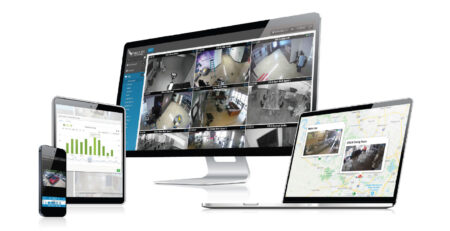
First things first, it’s time you met your local expert. Dove Communications has been a one‑stop shop since 1992, providing phones, VoIP, surveillance, data cabling, and carrier services to thousands of Southern California customers.
End‑to‑End Service: From Cabling to Cloud Licenses to Network Monitoring
- Certified Technicians on call 24/7 keep business‑critical lines open.
- Strong vendor relationships with RingCentral, 8×8, Mitel, AT&T, Spectrum, and more ensure unbiased recommendations.
- Dove Phones UCaaS platform delivers call, chat, video, and presence in a single browser app. You get set up in no time and are backed by business continuity that keeps running even during power or network outages.
Locally Sourced, Rapid‑Response Support
Because Dove is headquartered in the heart of Los Angeles, a certified technician can usually be at your door the same day; in critical situations, service delivery is crucial because every lost moment counts.
Tailored Solutions for SMBs and Multi‑Site Enterprises
Whether you operate a two‑chair dental practice in Culver City or a multi‑location entertainment firm with studios in Burbank and offices in West Hollywood, Dove designs right‑sized cloud solutions that grow with you.

Steps to Selecting the Right System for Your Organization
- Audit Current Usage and Set Up: Count lines, extensions, and monthly minutes; identify inefficiencies and survey staff about pain points.
- Map Future Growth: Include remote work, satellite offices, and seasonal call spikes.
- Assess Connectivity: Verify fiber, coax, or 5G availability and run VoIP readiness tests.
- Define Must‑Have Features for Your Business Goals: Do you need call‑center analytics? Teams integration? HIPAA compliance?
- Set Budget and ROI Targets: Balance upfront savings against long‑term flexibility.
- Engage a Local MSP for a Demo: Walk through live call quality tests with providers like Dove Communications.
- Pilot and Train: Roll out to a single department, refine settings, and conduct user training before full deployment.
Frequently Asked Questions About Business Telephone Systems
Q1. Will switching to VoIP/UCaaS drop call quality?
It won’t if your setup is properly engineered. We focus on proactive monitoring and prioritize Quality of Service (QoS) on your router and choose a provider that offers SD‑WAN or redundant circuits.
Q2. How fast should my internet be?
A single HD voice call consumes about 100 kbps; a 25/5 Mbps connection supports hundreds of simultaneous calls with headroom for other traffic. It’s important that performance monitoring is set up and working from here on out.
Q3. Is UCaaS secure?
Yes, but when it comes to cloud infrastructure, you must look for providers with TLS/SRTP encryption, MFA, and annual SOC 2 audits.
Q4. Can I keep my main phone number?
Local Number Portability (LNP) means you can move existing numbers to your new carrier with zero downtime; it’s similar to moving your number when you switch cell providers.
Q5. What happens during a power outage?
Cloud systems automatically fail over to mobile apps or reroute calls to alternate numbers, ensuring business continuity. Dove Phones continue operating even when power is down.

If You’re Ready to Modernize Your Business Telephone Systems, Then We Need to Talk
A modern business telephone system does more than make the phone ring; it unites voice, video, and data, bolstering remote teamwork. We do everything in our power to ensure your company stays open for business no matter what the L.A. freeways (or Mother Nature) can throw at you.
When you partner with a seasoned telecom managed service provider Los Angeles trusts, you gain a local ally that’s invested in your success. Discover how Dove Communications’ managed telecom services can transform your communications and book your free demo today.